A Designer's Review: Decorative Flower Line Art for Embroidery
When you come across a design labeled as freebie graphics, especially for embroidery, the first question is always practical: can it translate into a beautiful, durable finished product? This Decorative Flower Line Art Illustration presents a fascinating case. From a designer's eye, it’s not just about the included files; it’s about the potential stitch path, the emotional response it might elicit on a customer’s sweater, and the business viability for a handmade shop.
First Impression: Where This Design Naturally Belongs
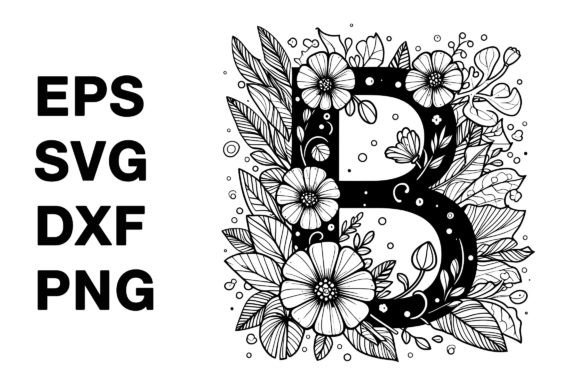
The immediate mood of this floral line art is elegant and modern. The illustrative style suggests clarity—clean outlines without overly fussy internal detail. This is a huge plus for embroidery, where overly dense designs can become muddy and time-consuming. The personality feels adaptable: it could be a chic accent on a linen pillow cover for a boutique or a sweet, minimalist motif on a baby’s blanket. The layout is likely built for a central focal point, making it a natural candidate for a single-hoop project.
My mind goes straight to a specific scenario: preparing a custom embroidered tote bag for a client’s garden-themed shop. This design wouldn't overpower the bag’s fabric; it would add a signature touch of craftsmanship. I envision it in a single thread color—perhaps a deep green or soft blush—using a confident satin stitch for the main outlines and a running stitch for finer details, if they exist. The open, line-art nature means stitch density is manageable, which is crucial for durability on an item like a bag that sees daily use.
Performance Across Real Embroidery Projects
Let’s walk through where this Decorative Flower Line Art Illustration would shine and where you’d need a careful approach.
Strong candidates include:
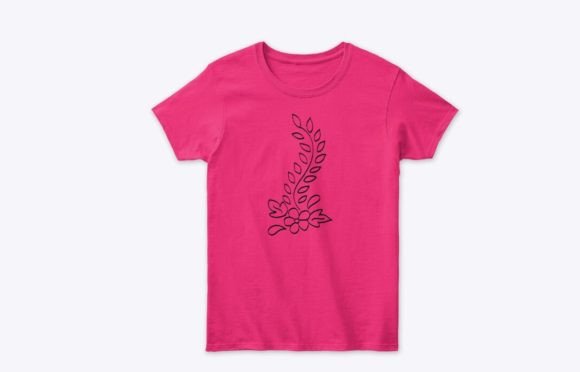
- Custom apparel like sweatshirts and t-shirts: On a solid-color garment, this design offers a modern, artistic upgrade. It feels less like a corporate logo and more like a personal statement, perfect for small shop merchandise.
- Tote bags, aprons, and pillow covers: These stable, often flat surfaces are ideal. The design’s visual clarity would remain intact, enhancing the handmade presentation and perceived value.
- Baby items and nursery decor: Its illustrative nature is gentle and non-cluttered. Stitched on a cotton blanket or a little cap, it becomes a beautiful personalized gift.
- Embroidered patches: If the SVG or EPS files allow for clean scaling, this could be stunning as a standalone patch. The line art would provide excellent stitching clarity, making it look professional.
- Printable mockups and digital previews: The included PNG and JPG files are invaluable here. For an Etsy seller creating listing images or a digital product seller offering the embroidery file itself, these graphics serve as perfect, clean design assets for presentation.
Projects requiring extra consideration:
- Small hoop sizes: If you scale this down drastically for a hat brim or a tiny corner of a tea towel, check those small details. Fine lines in the illustration might merge into a thick, indistinct stitch if the hoop size is too small.
- Textured or stretchy fabrics: On a thick sweater knit or a stretchy polo, the clean lines could warp. A proper stabilizer is non-negotiable here to maintain that illustrative sharpness.
- Dark fabric backgrounds: This is a classic designer checkpoint. Line art often relies on contrast. You’ll need to test thread color choices carefully—a white or bright metallic thread might be necessary to keep the design from disappearing on a black sweatshirt.
- Curved surfaces like caps: The overall shape looks forgiving, but always test on scrap fabric curved in a hoop first. Any long, sweeping lines in the design could distort on the cap’s curve.
- Products needing frequent washing: For kitchen towels or everyday apparel, a simpler stitch plan based on this design (avoiding overly dense fill stitches) will ensure it lasts.
The Impact on Your Craft and Your Business
Using a design like this isn't just about making a thing; it's about crafting an experience. For a customer, a clean, well-executed line art embroidery on a product signals thoughtfulness. It elevates a simple tote bag from generic to giftable. For your brand—whether you're a hobbyist making holiday gifts or a creative entrepreneur with an Etsy store—consistency in quality matters. This design, when stitched well, contributes to that trust. It looks intentional and professional.
It also affects your workflow. Because it's likely not overly complex, it can be a quicker turnaround for client projects or craft fair products, increasing your viable inventory. The included multiple file formats (like SVG and EPS) are a boon for digital embroidery file preparation, allowing adjustments before stitching. However, a critical note: the product category is Freebies and the type is Graphics. The description mentions uses for coloring books and scrapbooking. Always confirm the specific licensing before using any design for commercial embroidery projects or selling finished items. Does it allow for physical product sales? Digital product resale? This due diligence protects your craft business.
Practical Designer Notes Before You Hoop It
Before you commit this Decorative Flower Line Art Illustration to a final project, run through these real-world checks:
- Test on scrap fabric first: Use the same fabric and stabilizer you plan for the final product. This reveals how the stitch density translates and if any details blur.
- Check thread color contrast: Stitch a sample on both light and dark scraps. Does it pop? Does it need a different thread weight?
- Review the design in black and white: Convert the preview image to grayscale. This helps you see the true contrast levels without color distracting you.
- Confirm your hoop size: Based on your test, decide the optimal size. Don’t assume the design will work at any scale.
- Inspect the file for small details: Open the vector files (like SVG) and look for tiny corners or closed loops that might be tricky for your machine’s stitch path.
- Match it to the product’s purpose: Is it for a delicate wedding gift pillow or a rugged work apron? That dictates your thread choice and stabilizer strategy.
In essence, this Decorative Flower Line Art Illustration holds substantial promise for makers. It’s a design that leans into modern minimalism, offering a versatile foundation for a wide range of embroidery projects. Its success, however, hinges on your professional approach—the testing, the adaptation, and the mindful application to the right product. With that care, it can become a reliable and beautiful asset in your designer toolkit.