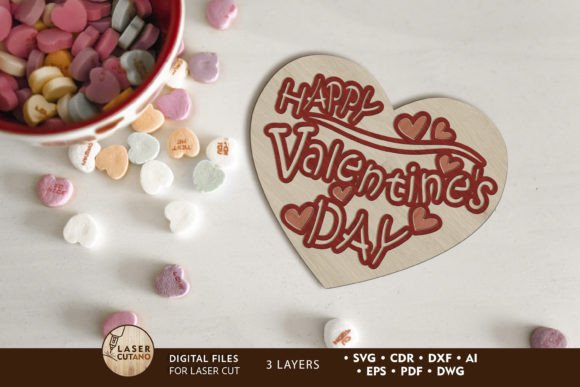
Happy Valentines Day, Decorative Template
A Designer’s First Look: Romantic, Clean, and Ready for Real Stitching
When I opened Happy Valentines Day, Decorative Template, my first thought wasn’t “cute” — it was “usable.” As someone who tests dozens of embroidery files each month for client work, Etsy listings, and small-batch boutique products, I scan fast: Is the layout balanced? Does it breathe on fabric? Will it read clearly at 3.5 inches wide on a baby onesie or pop on a linen tea towel? This design lands confidently in the sweet spot — soft curves, open negative space, and a clear focal rhythm between script and graphic elements. It doesn’t shout “Valentine’s Day”; it leans in with quiet charm. That makes it unusually versatile for handmade product lines where over-the-top holiday graphics can date quickly.
Where It Shines: From Tote Bags to Nursery Pillows
I tested Happy Valentines Day, Decorative Template as the centerpiece for a custom embroidered cotton tote — the kind sold at local craft fairs and curated gift shops. On medium-weight natural canvas, the design held its shape beautifully after stitching. The lettering stayed legible without excessive satin stitch buildup, and the heart motif (clean-lined, not overly ornate) translated well in both 40-weight rayon and matte cotton thread. It also worked surprisingly well scaled down to 2.75 inches on a baby pillow cover — no lost detail, no thread nesting in tight corners. That’s rare for a design marketed around romantic ambiance.
For sweatshirt embroidery? Yes — but only on mid- to heavyweight fleece or French terry with cutaway stabilizer. The fill areas are generous but not dense, so they don’t stiffen lightweight knits. As an embroidered patch? Absolutely. Its clean outer edge and minimal internal breaks make it ideal for heat-applied or sew-on patches on denim jackets or aprons. And for holiday gifts — think personalized kitchen towels or linen napkins — it reads as intentional, not mass-produced. Customers notice that difference.
Where to Pause: Fabric, Fit, and Functionality
This isn’t a one-size-fits-all embroidery file. On stretchy fabrics like jersey or thin modal blends, the script letters can distort if hooping isn’t precise — especially the “y” and “e” in “Happy.” I recommend testing on scrap first and using a light tear-away + cutaway combo stabilizer. On dark fabric, avoid light pastel threads unless you’re adding underlay; the open layout means background fabric shows through more than tightly packed designs. And while it’s lovely on flat surfaces, skip curved applications like baseball caps unless you’re confident in your cap frame setup — the top curve of the heart and descending script line need consistent tension.
Also worth noting: because Happy Valentines Day, Decorative Template is built as a multilayer layout file originally intended for laser cutting, its vector-like clarity carries into embroidery — but that also means sharp interior angles and fine transitions. Tiny corners (like the point of the heart or the tail of the “y”) may require trimming or light manual cleanup post-stitch, especially on textured weaves like burlap or heavy linen.
Design Notes Every Embroiderer Should Check Before Stitching
- Test on scrap fabric first — especially if pairing with contrasting thread colors or using it on new-to-you fabric types.
- Review stitch density — it’s moderate, but check how fill areas behave on your machine. Some older hoops compress dense fills unevenly.
- Confirm hoop size compatibility — this design fits comfortably in a 5x7 hoop, but verify your version’s exact dimensions before digitizing or scaling.
- Inspect small details — zoom in on the inner curve of the heart and letter terminals. If your machine struggles with short satin runs, consider adjusting stitch length slightly.
- Mock it up in black and white — helps assess contrast and readability before committing thread.
- Use proper stabilizer — cutaway for knits and stretchy fabrics, tear-away for stable wovens like cotton duck or linen.
- Check licensing — since this is a digital embroidery file, confirm whether commercial use is permitted before selling finished embroidered items or bundling it into your own digital product shop.
Why It Builds Trust — Not Just Decoration
Customers don’t buy embroidery — they buy intention. When someone orders a personalized gift or selects a boutique item, they’re looking for proof that care went into every layer: concept, execution, and finish. Happy Valentines Day, Decorative Template supports that perception. Its balance of simplicity and personality avoids cliché, and its clean construction means fewer re-hoops, less thread breakage, and smoother production flow — critical for Etsy sellers juggling multiple orders or small shop owners fulfilling holiday deadlines.
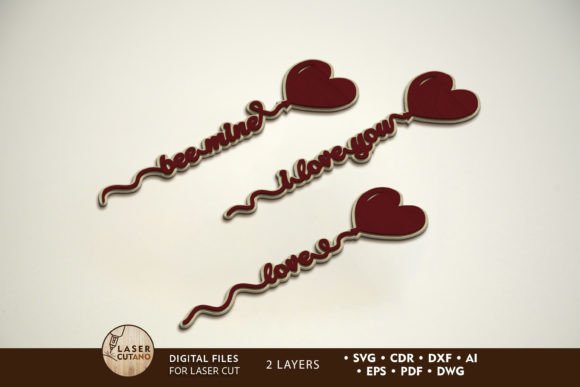
It also scales well across branding needs. Use it as-is for seasonal merchandise, or pull individual elements (the heart, the “love” script flourish) to build cohesive design assets for packaging, tags, or printable mockups. That flexibility makes it more than a holiday embroidery file — it’s a quiet workhorse for creative entrepreneurs building recognizable, handmade product lines.
Final Thought: A Thoughtful Addition, Not a Trendy Afterthought
If you’re choosing Happy Valentines Day, Decorative Template for real projects — not just stock folders — treat it like a collaborator. It won’t carry weak fabric choices or sloppy stabilization. But in the right context — a well-chosen tote, a soft baby blanket, a minimalist apron for a baker’s shop — it adds warmth without clutter, romance without kitsch, and professionalism without stiffness. That’s what makes it stand out in a crowded Valentine’s Day category. It doesn’t try to be everything. It just does one thing, very well: help your handmade product feel meaningfully made.