A Designer’s Take on the Laser Cut Dragon Phone Stand
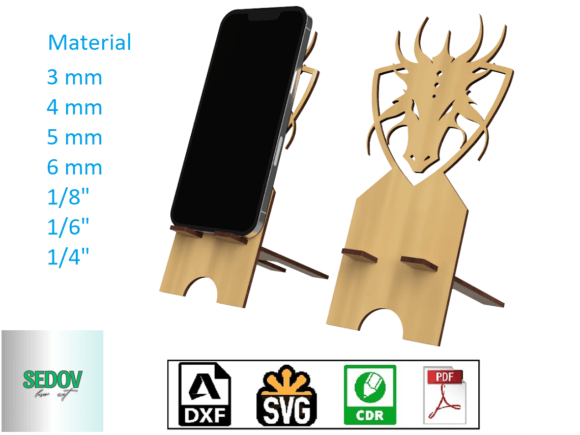
When I first opened the file for the Laser Cut Phone Stand Dragon Head, my immediate thought wasn’t about a phone stand at all. It was about the striking silhouette and the mood it evokes. This isn’t a gentle, whimsical dragon. It’s a design with a certain assertive, graphic personality. The sharp angles and the commanding head shape speak to a fantasy or gaming aesthetic, with a clean, modern edge thanks to its laser-cut origins. For embroidery designers and makers, that’s a valuable starting point.
Where This Dragon Finds Its Home
This design feels destined for projects with a bold, personal statement. Imagine a custom embroidered sweatshirt for a gaming enthusiast—this dragon head, stitched in a deep charcoal or metallic silver thread on the sleeve, would be an incredible focal point. It translates beautifully into a large, statement patch for a backpack or a tote bag, especially one aimed at a niche market. I can see it working wonderfully on a pillow cover in a teen’s room or a gaming den, adding that personalized, handmade touch without being overly cute.
Its strong, graphic lines also make it a contender for boutique merchandise. An Etsy seller focusing on fantasy-themed apparel or home decor could use this as a core design asset. Stitched onto the corner of a black tea towel or a canvas apron, it becomes a distinctive brand identifier. For a creative entrepreneur, it’s a design that can elevate a simple product into a themed gift, perfect for a holiday present for that hard-to-shop-for dragon lover.
Considering the Stitching Reality
Moving from the visual idea to the embroidery machine, this design’s performance hinges on its detail level. The clear, angular shapes are a boon for stitch clarity. In a real-life embroidery situation—say, preparing a batch of embroidered caps for a small shop—the defined outlines should satin stitch beautifully, creating crisp edges. However, the potential density in the dragon’s head area warrants attention.
On a cap’s curved surface or on a stretchy fabric like a t-shirt, that denser fill stitch area needs proper stabilizer. I’d always advise testing this embroidery file on a scrap of the actual project fabric first. Check the thread color contrast; a dark design on a light background will pop, but consider using a slightly lighter fill on dark fabrics to maintain definition without overwhelming the fabric.
Navigating the Tricky Terrain
This is not a design I would automatically choose for a delicate baby item or a piece with frequent, harsh washing. The intricate corners and potential stitch density might not hold up as well over time on thin, textured fabrics like some blankets. Similarly, trying to shrink it down for a very small hoop size could sacrifice the design’s impact and make the finer details muddy. It’s a design that demands a certain scale to honor its personality.
For apparel decorators, placement is key. On a sweatshirt, the center chest or a large sleeve panel works. On a curved surface like a cap, careful positioning to avoid the seam is crucial to keep the dragon’s head looking proud and not distorted. The design’s visual appeal is tied directly to its stitching clarity, which in turn affects perceived product value and customer trust in your handmade presentation.
The Practical Designer’s Checklist
Before running this for a client project or listing it in your craft business, a few notes are essential. First, test it. Run the embroidery design on your intended fabric with your chosen thread colors. Review the stitch density in the fill areas—does it feel too heavy for the fabric? Confirm the minimum hoop size that works while preserving detail.
Second, inspect it in mockups. View the design in both black and white digital previews to see how it reads as a shape alone. Compare it on light and dark backgrounds in your printable mockups to gauge its versatility. This helps with branding consistency and buyer engagement across different product photos.
Finally, and most importantly, clarify its use. The product description mentions it’s a laser-cut template. As an embroidery file adaptation, you must confirm the licensing before selling finished items or commercial embroidery projects. Does it allow for use in physical products you sell? Is it cleared for digital product resale? Never assume. This step protects your professionalism and your business.
From Digital File to Finished Product
When executed with care, the Laser Cut Phone Stand Dragon Head transitions from a cool graphic to a compelling embroidered product. It brings a recognition factor—that fantasy/gaming vibe is instantly communicated. For personalized gifts or small shop merchandise, it adds a layer of niche specificity that generic designs lack. Its giftability is high for the right recipient.
In the end, my review as a designer is positive, but with grounded caveats. This design has a strong visual personality that belongs on bold, statement pieces. It will stitch well with preparation, but demands respect for fabric choice and placement. It’s a powerful design asset for makers targeting a specific audience, capable of turning a simple tote bag or custom apparel into a conversation piece. Just remember the practical embroidery steps: test, stabilize, and always check the license. That’s how a good design becomes a great finished product.