An Embroidery Designer's Take on the Halloween Napkin Holder
When I first saw the design titled 2 Napkins Holder for Halloween 1 Free, my immediate thought was, “This isn’t just a file; it’s a potential product.” As someone who regularly evaluates embroidery designs for real-world projects—from boutique merchandise to custom gifts—I look for files that offer a clear vision and practical application. This one, falling under the category of Stands and designed for Laser Cutting, presents a unique crossover opportunity for embroidery artists looking to expand their offerings.
The First Impression: Practical Charm Over Pure Spook
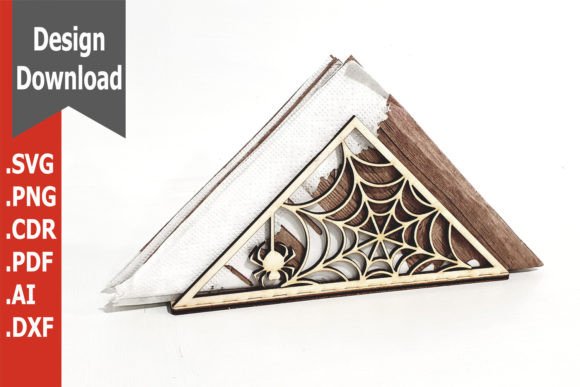
The design’s personality leans into functional, festive charm rather than intense Halloween horror. The shape and layout suggest a piece meant to be useful and decorative—a stand meant to hold napkins. This immediately sets a mood of playful, organized celebration. For embroidery, this translates into a project that feels more like a thoughtful home accessory than a typical seasonal graphic. The detail level implied by the description suggests clean lines and defined areas, which is excellent news for stitch clarity. It naturally belongs to projects where embroidery acts as a defining embellishment on a functional item.
Where This Design Shines in Real Embroidery Projects
Imagine you’re preparing a batch of custom, embroidered kitchen towels or apron sets for a Halloween-themed craft fair or an Etsy shop update. This napkin holder design isn’t just a motif; it becomes the central feature of the product. Its structured, utilitarian theme lends itself beautifully to items like tote bags, pillow covers for a festive living room, or even a detailed patch applied to a tea towel. The “holder” concept adds a layer of storytelling to the embroidery, making the finished product feel more intentional and designed.
For small business merchandise, this design could elevate a simple item. A plain cotton tote bag becomes a specialty holiday bag with this embroidery. On a sweatshirt, positioned thoughtfully, it could serve as a unique, less overtly spooky Halloween logo for a creative brand. In the realm of personalized gifts, embroidering this onto a premium apron for a host or onto a neat pillow cover creates a gift that feels both useful and bespoke. The design’s clear layout likely means good stitch density management, preventing overly dense areas that can stiffen fabrics like those used for apparel.
Careful Considerations: Fabric and Placement Matter
While the design’s structure is promising, its successful translation into embroidery depends heavily on context. Given that the original files are intended for laser cutting—which often involves precise, unbroken lines—adapting it for embroidery requires attention. On textured fabrics like linen or canvas for a tote bag, the design’s details will hold up well. However, on thin or stretchy fabric like a t-shirt, the larger, solid areas (if they exist in the design) might require careful stabilizer choice to prevent puckering.
If the design includes fine lines or small lettering (like the “1 Free” text), these elements could be challenging on smaller hoop sizes or on curved surfaces like caps. I would advise testing those details on scrap fabric first. For dark fabric backgrounds, thread color contrast is crucial—bright, festive colors would be essential to maintain visual appeal and stitching clarity. The design’s value as a handmade product increases when the embroidery is crisp and clean, directly impacting customer trust and the perceived professionalism of your work.
The Impact on Your Business and Brand
Using a design like this consistently across a product line—say, on aprons, towels, and tote bags for your shop—can strengthen brand consistency. It presents a cohesive, themed collection that’s perfect for seasonal craft business offerings. The inherent giftability of functional, embroidered items featuring this design is high, appealing to buyers looking for unique holiday embroidery gifts. Furthermore, for digital product sellers, this file type (being archived and ready to modify) serves as a solid design asset for creating printable mockups or previews for your own customers.
However, a key note for commercial embroidery and selling finished items: the product description notes it’s suitable for laser cutting and that files are archived. As an embroidery designer, I must stress that you need to confirm the design’s compatibility with your embroidery file formats and machines, and check licensing before selling embroidered products. The description doesn’t specify embroidery-ready formats or license terms, so that due diligence is your responsibility.
Practical Designer Notes Before You Stitch
Before committing this design to a client’s custom apparel or a batch of baby embroidery items for a nursery decor set, run through these real-world checks. First, test the design on scrap fabric identical to your final project fabric. This reveals how fabric texture interacts with the stitch patterns. Second, review the design in both black and white digital mockups to understand its form without color, which helps judge its structural integrity.
Third, if the design has areas that might use satin stitch or fill stitch, consider the thread coverage and whether it might be too heavy for lightweight projects like baby clothes. Fourth, always use proper stabilizer for the fabric type—this is non-negotiable for maintaining the design’s sharp appearance after multiple washes, crucial for products like kitchen linens. Finally, compare how it looks on light versus dark backgrounds; sometimes a design needs a slight color adjustment to pop on different fabrics, affecting its final visual appeal and buyer engagement in your Etsy listings.
The Final Verdict: A Design with Clear Product Potential
The 2 Napkins Holder for Halloween 1 Free design, from a professional embroidery reviewer’s standpoint, is a design with a strong, practical character. It moves beyond a simple graphic into a concept that can anchor a themed, handmade product line. Its success in embroidery projects hinges on thoughtful adaptation—selecting appropriate fabrics, testing details, and ensuring technical execution matches the design’s clean intent. For crafters, makers, and creative entrepreneurs looking to add structured, festive items to their portfolios, this design offers a solid foundation. It encourages you to think about the finished product as a whole, not just the stitch pattern, which is the mark of a design with real commercial and creative value.